

How strong feels
It might fade, but it never leaves you.

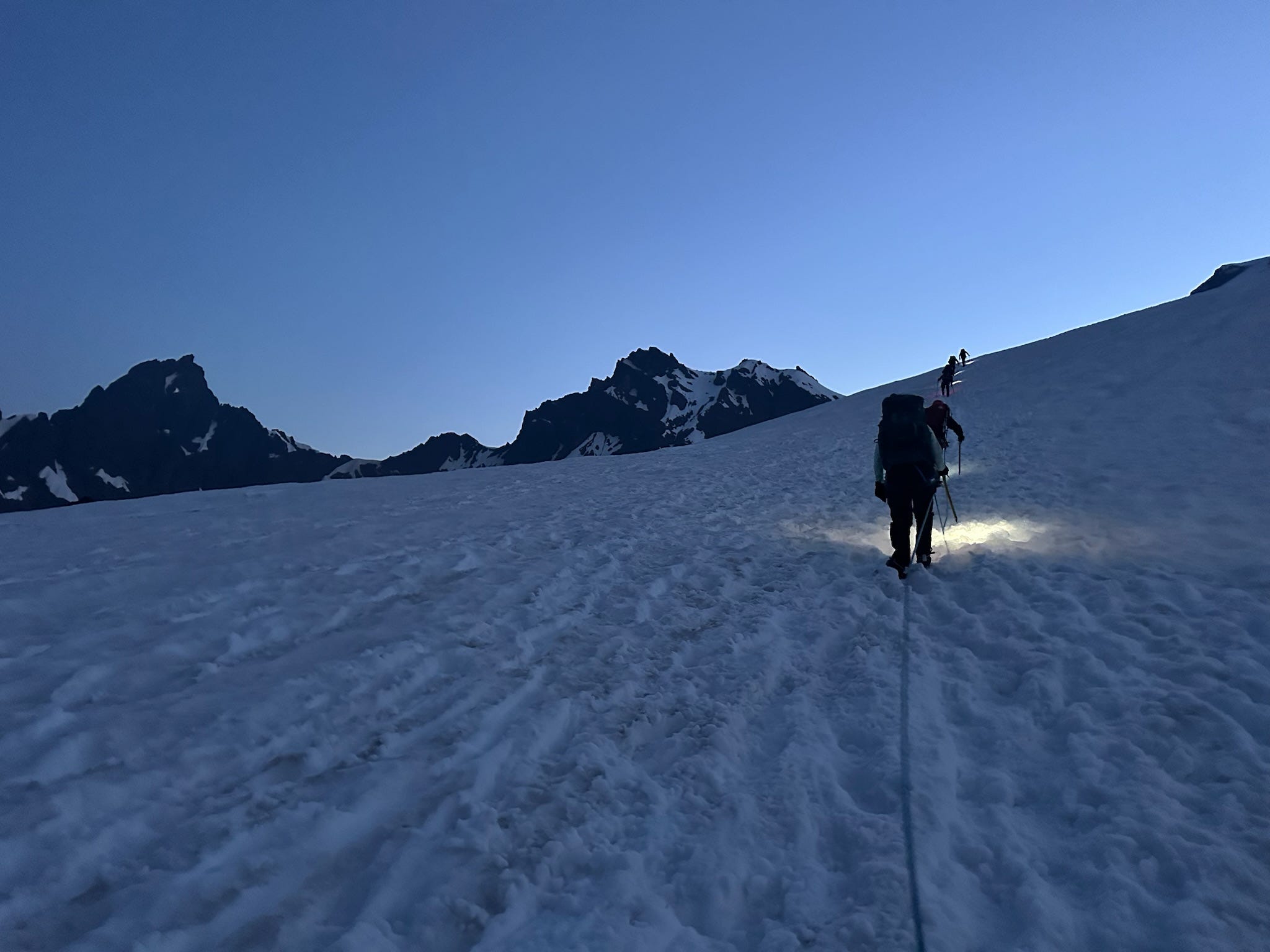
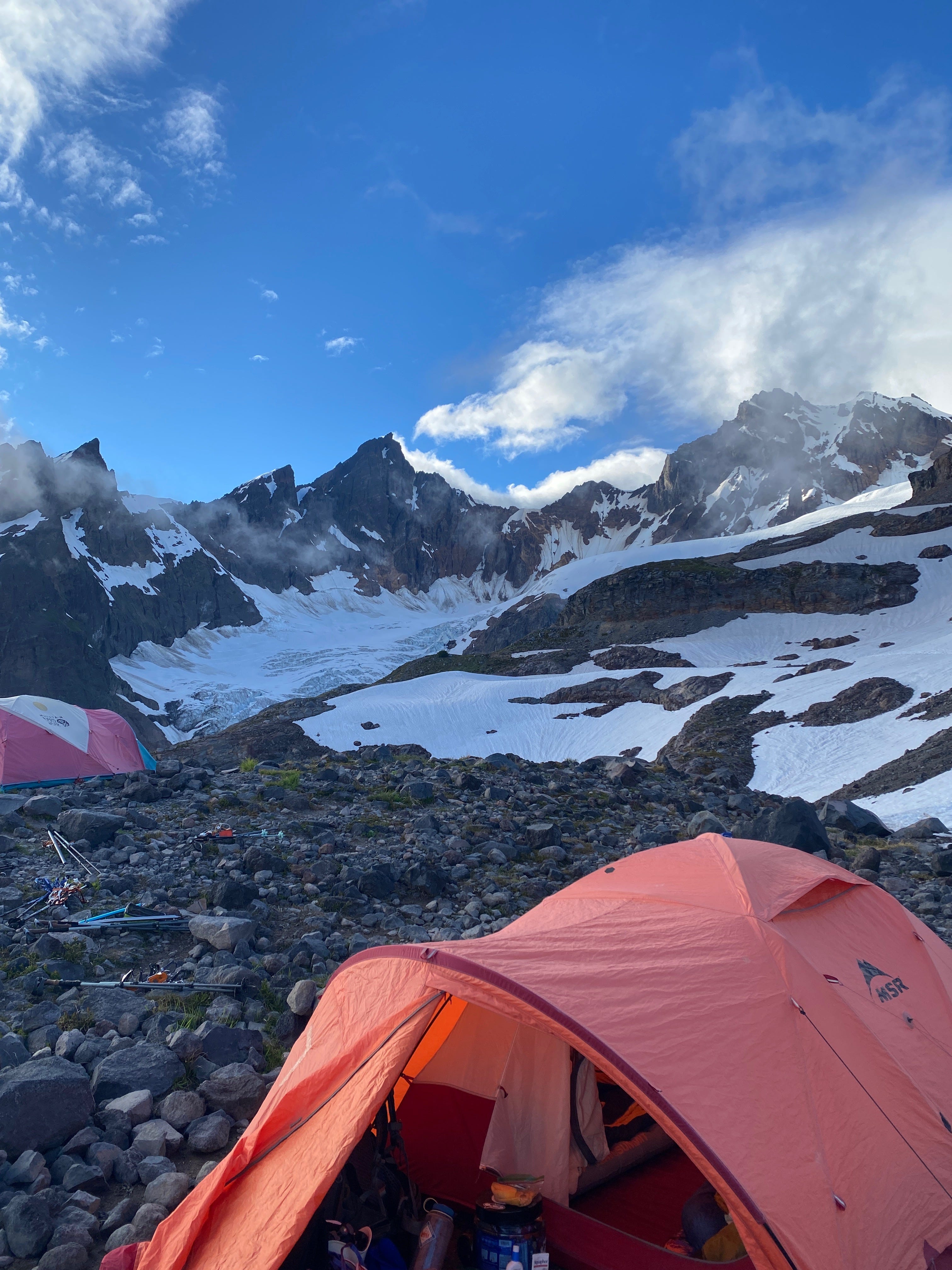
My badass daughter, Emma, recently took a 5-day mountaineering course on navigating glacier fields. Seeing her photos and hearing her stories about being roped up with crampons and learning about anchors brought back my own trek in the mountains of North Carolina when I was in the ninth grade. Without ice, crampons, and anchors.
Most of the kids on my trip in 1973 were high school seniors, but my friend Meg and I got special dispensation from the Outward Bound staff to join the five-day journey. We were fourteen years old. We also had to get permission from Mrs. Rockett, our ninth-grade algebra teacher, to miss that many days of variables, equations, and formulas.
Unfortunately, if there were any photos from that trip, they are long gone.
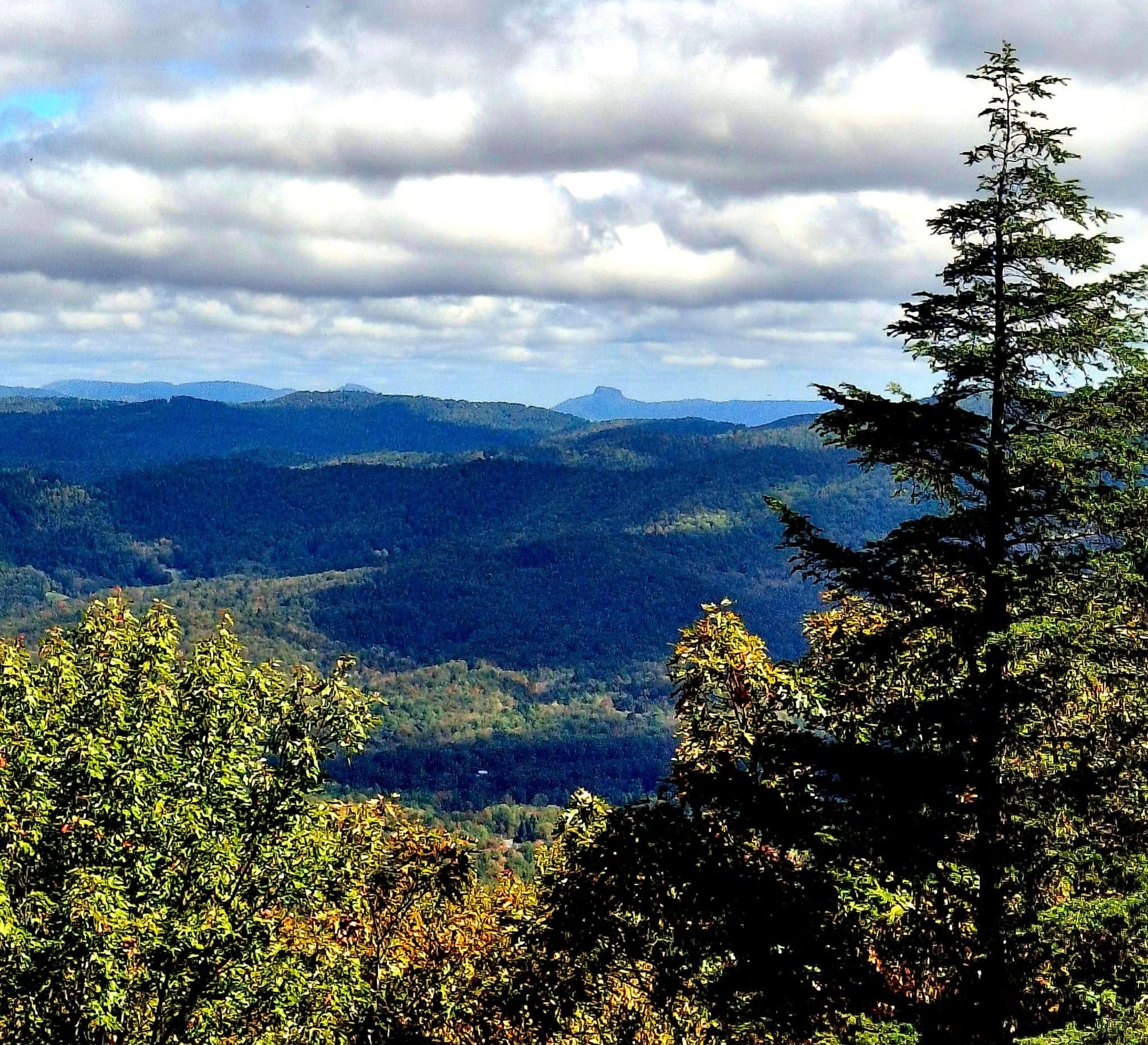
Our group hiked from Table Rock in the Linville Gorge to the 6,684-foot summit of Mount Mitchell along the Mountains-to-Sea Trail—about fifty-five miles one way, more than 10,000 feet of cumulative elevation gain, a route still described as one of the most punishingly rugged multi-day treks in North Carolina. Five days minimum, we were told. It would take us longer, because we students were in charge of reading the map.
I am glad the internet did not exist then, so I could not read the trail descriptions that exist now: the jagged rock formations of The Chimneys, the exposed plateau of Shortoff Mountain, the plummet down a steep technical grade to the gorge floor where you must ford the Linville River (there is no bridge), the brutal 1,500-foot climb out of the canyon. And that was just the first eleven miles. After that came twenty-some miles of foothills—old logging paths, gravel access roads, river valleys—and then what the guides call “an unrelenting uphill battle”: the long climb into the Black Mountains, dense hardwood forest slowly giving way to Canadian-like spruce-fir, ending in a rocky scramble to the highest peak in the Eastern United States.
I remember that Linville River crossing as if it were yesterday—holding on to the rope we were taught to string across the river above our heads, the cold water on hot, bare feet on slick rocks, boots tied together and slung around our shoulders, heavy backpacks holding food, water, shelter, everything, and several students falling into the river, drenching all their belongings. The Outward Bound instructors put us in charge from the beginning, which meant we were allowed to walk in the wrong direction for hours on several days when we misread the map. That was the curriculum.
We learned to negotiate among ourselves, cook meals, ration water, strike tents, recognize poisonous snakes. We learned to carry the backpack of the teacher who accompanied us and could not manage her share of the load; it did not help that she had packed a large cast-iron skillet. We learned that a group can go no faster than its slowest member.
There were strict rules. Leave no trace was the most repeated one.
One day, in The Chimneys, we had to scramble over large rock faces, navigate tight crevices, and jump across exposed, wide gaps between large boulders with very steep drops on either side. At one point, I froze. Completely froze. The gap was so wide. But I knew I had to do it, or none of us could keep going. I had no choice. The older kids did not laugh or tease me. Instead, they helped me take off my fifty-pound pack, and two boys threw it across the five-foot gap to two others waiting on the other side. Then they talked to me, assuring me that the boys on the other side would catch me and pull me to safety. I hesitated, and then, before I could think again, I ran and leaped. The boys reached out, caught me, and pulled me into them. Everyone cheered. There was no shame, only encouragement.
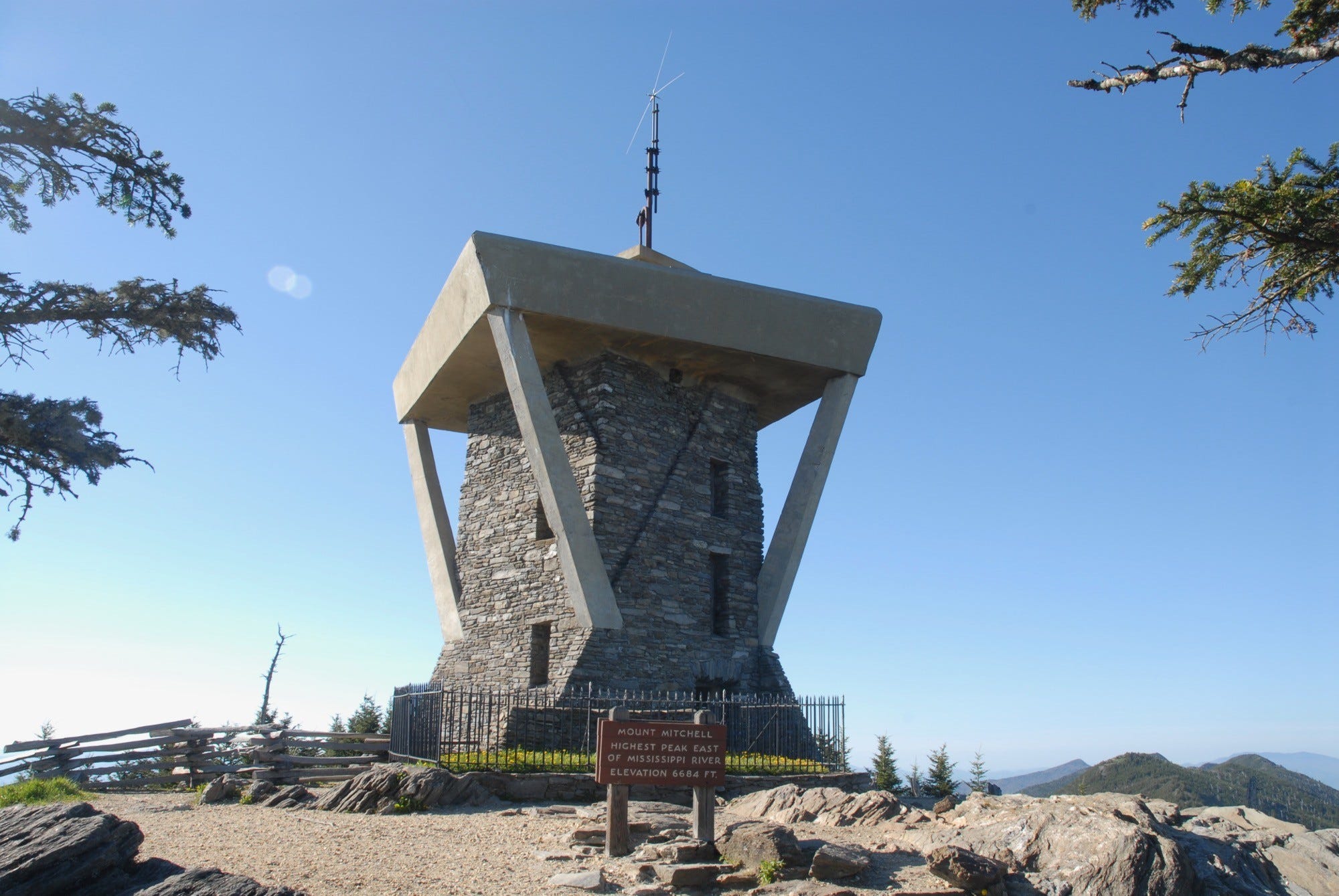
By the end of the trip, the backs of my knees were burned to a red crisp; bending them was almost impossible because of the pain. The night before we climbed the tower on Mount Mitchell, we camped for the final time, a circle of sweaty, tired, stinky, ecstatic, accomplished kids around a last campfire, giving each other shoulder massages. The next morning, we packed up, hiked almost six miles uphill, a hike gaining over 3,000-feet in elevation at the end of a difficult journey, and then somehow found the energy to run up the 150 steps to the platform on top of the stone observation tower.
When we reached that platform, we opened our canteens full of hot orange Kool-Aid and toasted one another. It all felt so glorious; we were giddy. The exhaustion would hit us in the van rides back to civilization.
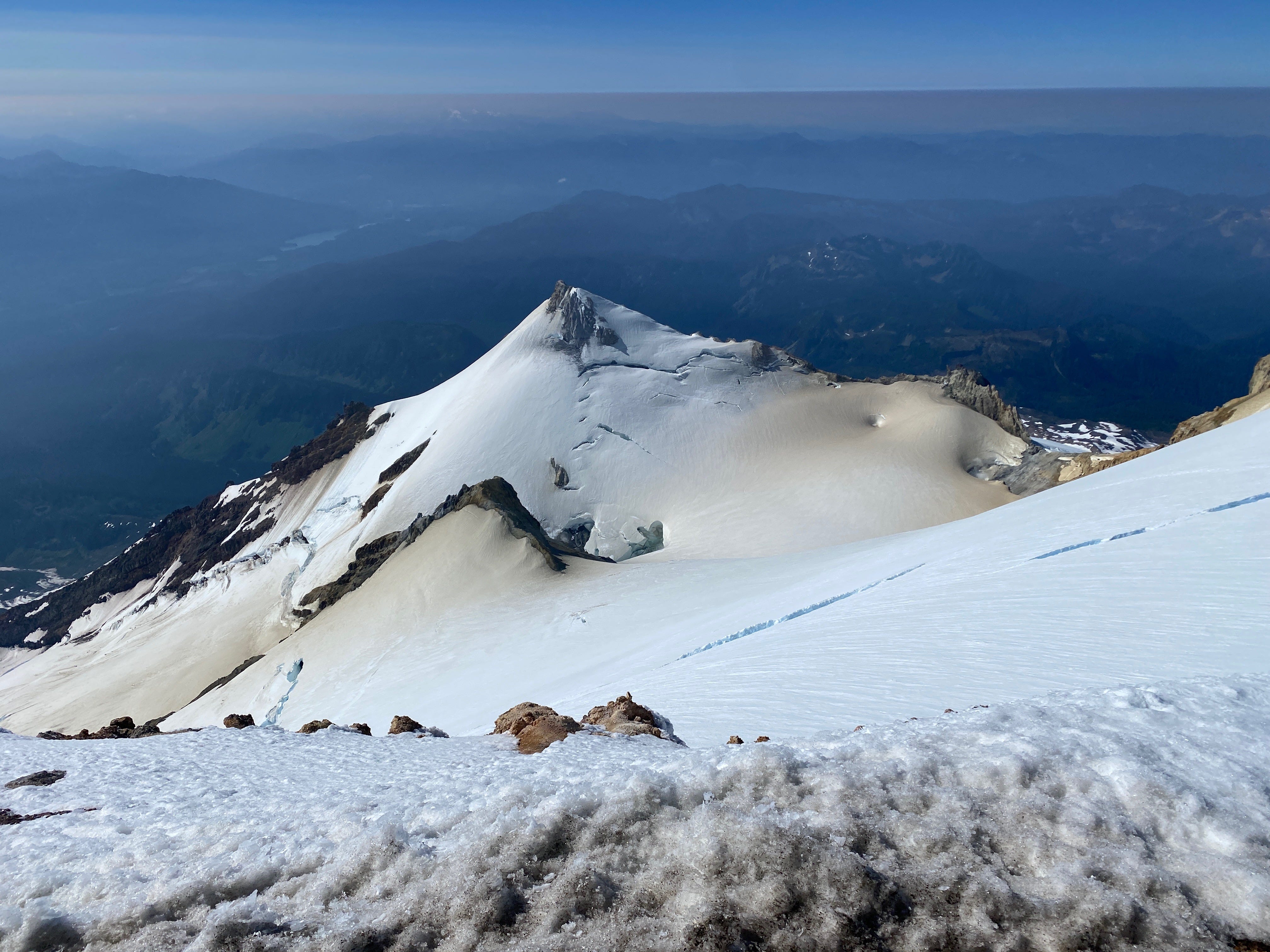
As I looked at the photos from my daughter Emma’s mountaineering course last week, I knew at least some part of how it feels to get up at 3:30 am and hike for six hours to reach a summit. We had both learned map-reading, how to leave no trace, courage, resilience, and self-confidence, and she also learned about glacier travel, being roped up, and using crampons and anchors.
As Emma texted me once she got down off her mountain, “I feel really strong!”
I know exactly how that kind of strong feels.

Wonderful! How my 14 year-old self would have loved this. At 70, I'm not sure I could make that hike any more but this sure did bring back fond memories of my years in an Explorer Post (coed branch of Boy Scouts) that focused on woodcraft, search, and rescue - Very fond memories! And, the world could use more of this! "There was no shame, only encouragement."
Brava to both of you strong women!